Buy secretdates.eu ?
We are moving the project
secretdates.eu .
Are you interested in purchasing the domain
secretdates.eu ?
domain@kv-gmbh.de · 0541-91531010
Buy secretdates.eu ?
Are drainage pipes more stable than KG pipes?
Drainage pipes are typically more stable than KG pipes because they are designed to handle the weight of soil and water above them. Drainage pipes are usually made of materials such as PVC or corrugated metal, which are strong and durable. KG pipes, on the other hand, are typically used for non-pressure applications and may not be as sturdy as drainage pipes. Overall, drainage pipes are better suited for underground applications where stability and durability are important factors. **
How can the pipes of the boiler be hidden on the outside?
The pipes of the boiler can be hidden on the outside by installing a pipe cover or casing that matches the exterior of the building. This cover can be painted or designed to blend in with the surroundings, making the pipes less noticeable. Another option is to bury the pipes underground or run them along existing structures such as walls or fences to conceal them from view. Additionally, strategic landscaping with bushes or shrubs can be used to create a natural barrier and hide the pipes. **


Similar search terms for Pipes
Top-Angebote
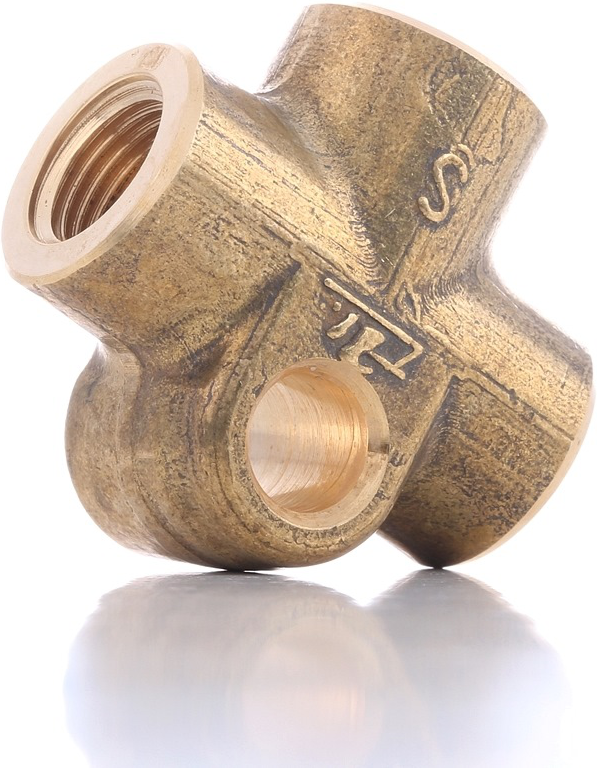
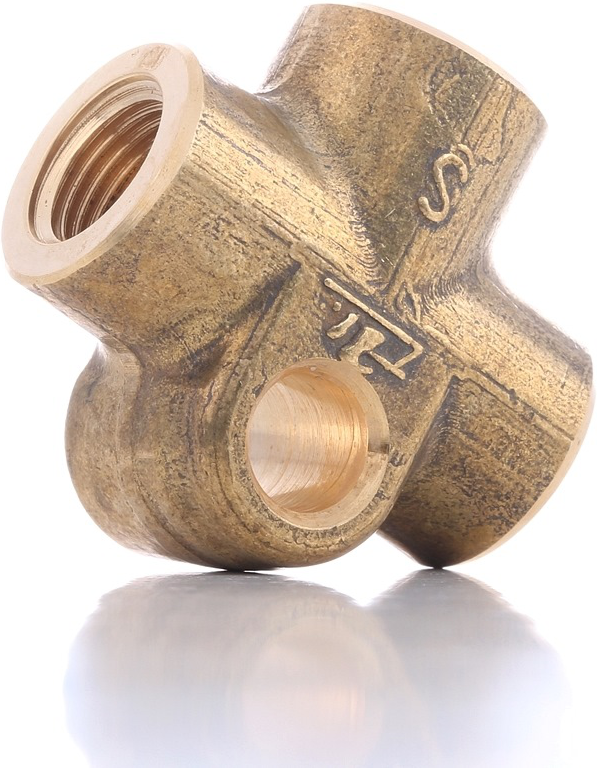
Products related to Pipes:


-
Are plastic heating pipes as temperature-resistant as copper pipes?
Plastic heating pipes are generally not as temperature-resistant as copper pipes. While plastic pipes can withstand moderate temperatures, they may deform or melt at higher temperatures, leading to potential leaks or damage. Copper pipes, on the other hand, have a higher temperature resistance and are less likely to be affected by heat, making them a more durable option for heating systems. **
-
How do I replace old steel heating pipes with copper pipes?
To replace old steel heating pipes with copper pipes, you will first need to turn off the water supply to the heating system. Next, use a pipe cutter to remove the old steel pipes and clean the ends of the copper pipes that will be replacing them. Then, use soldering equipment to connect the copper pipes in place of the old steel pipes. Finally, test the new copper pipes for leaks before turning the water supply back on. It is recommended to consult a professional plumber if you are not experienced with this type of work. **
-
How can the pipes of the thermal bath be hidden on the outside?
The pipes of the thermal bath can be hidden on the outside by using decorative cladding or covers that blend in with the surrounding architecture. This can include using materials such as wood, stone, or metal to create a seamless and aesthetically pleasing exterior. Additionally, landscaping and strategic placement of vegetation can be used to conceal the pipes while also enhancing the overall look of the thermal bath. Finally, integrating the pipes into the design of the building itself, such as incorporating them into the facade or structure, can help to minimize their visual impact. **
-
Are these lead pipes?
Yes, these are lead pipes. Lead pipes were commonly used in plumbing systems in older buildings, but they have since been phased out due to health concerns associated with lead exposure. It is important to have these pipes replaced with safer alternatives to ensure the health and safety of the occupants. **


Are those lead pipes?
Yes, those are lead pipes. Lead pipes were commonly used in plumbing systems in older buildings, but they are now known to be a health hazard due to the potential for lead leaching into the water supply. It is recommended to have lead pipes replaced with safer alternatives to avoid potential health risks. **
Why do pipes rust?
Pipes rust due to a chemical reaction between the metal in the pipes and oxygen in the air and water. This reaction, known as oxidation, causes the metal to break down and form iron oxide, which is the reddish-brown substance we commonly refer to as rust. Factors such as high levels of moisture, exposure to certain chemicals, and fluctuations in temperature can accelerate the rusting process. Over time, rust can weaken the pipes, leading to leaks and structural damage. Regular maintenance and protective coatings can help prevent rusting in pipes. **
Top-Angebote
Products related to Pipes:
-
Are drainage pipes more stable than KG pipes?
Drainage pipes are typically more stable than KG pipes because they are designed to handle the weight of soil and water above them. Drainage pipes are usually made of materials such as PVC or corrugated metal, which are strong and durable. KG pipes, on the other hand, are typically used for non-pressure applications and may not be as sturdy as drainage pipes. Overall, drainage pipes are better suited for underground applications where stability and durability are important factors. **
-
How can the pipes of the boiler be hidden on the outside?
The pipes of the boiler can be hidden on the outside by installing a pipe cover or casing that matches the exterior of the building. This cover can be painted or designed to blend in with the surroundings, making the pipes less noticeable. Another option is to bury the pipes underground or run them along existing structures such as walls or fences to conceal them from view. Additionally, strategic landscaping with bushes or shrubs can be used to create a natural barrier and hide the pipes. **
-
Are plastic heating pipes as temperature-resistant as copper pipes?
Plastic heating pipes are generally not as temperature-resistant as copper pipes. While plastic pipes can withstand moderate temperatures, they may deform or melt at higher temperatures, leading to potential leaks or damage. Copper pipes, on the other hand, have a higher temperature resistance and are less likely to be affected by heat, making them a more durable option for heating systems. **
-
How do I replace old steel heating pipes with copper pipes?
To replace old steel heating pipes with copper pipes, you will first need to turn off the water supply to the heating system. Next, use a pipe cutter to remove the old steel pipes and clean the ends of the copper pipes that will be replacing them. Then, use soldering equipment to connect the copper pipes in place of the old steel pipes. Finally, test the new copper pipes for leaks before turning the water supply back on. It is recommended to consult a professional plumber if you are not experienced with this type of work. **
Similar search terms for Pipes
-
How can the pipes of the thermal bath be hidden on the outside?
The pipes of the thermal bath can be hidden on the outside by using decorative cladding or covers that blend in with the surrounding architecture. This can include using materials such as wood, stone, or metal to create a seamless and aesthetically pleasing exterior. Additionally, landscaping and strategic placement of vegetation can be used to conceal the pipes while also enhancing the overall look of the thermal bath. Finally, integrating the pipes into the design of the building itself, such as incorporating them into the facade or structure, can help to minimize their visual impact. **
-
Are these lead pipes?
Yes, these are lead pipes. Lead pipes were commonly used in plumbing systems in older buildings, but they have since been phased out due to health concerns associated with lead exposure. It is important to have these pipes replaced with safer alternatives to ensure the health and safety of the occupants. **
-
Are those lead pipes?
Yes, those are lead pipes. Lead pipes were commonly used in plumbing systems in older buildings, but they are now known to be a health hazard due to the potential for lead leaching into the water supply. It is recommended to have lead pipes replaced with safer alternatives to avoid potential health risks. **
-
Why do pipes rust?
Pipes rust due to a chemical reaction between the metal in the pipes and oxygen in the air and water. This reaction, known as oxidation, causes the metal to break down and form iron oxide, which is the reddish-brown substance we commonly refer to as rust. Factors such as high levels of moisture, exposure to certain chemicals, and fluctuations in temperature can accelerate the rusting process. Over time, rust can weaken the pipes, leading to leaks and structural damage. Regular maintenance and protective coatings can help prevent rusting in pipes. **
* All prices are inclusive of VAT and, if applicable, plus shipping costs. The offer information is based on the details provided by the respective shop and is updated through automated processes. Real-time updates do not occur, so deviations can occur in individual cases. ** Note: Parts of this content were created by AI.