Buy secretdates.eu ?
We are moving the project
secretdates.eu .
Are you interested in purchasing the domain
secretdates.eu ?
domain@kv-gmbh.de · 0541-91531010
Buy secretdates.eu ?
Does the Ficus Ginseng move?
No, the Ficus Ginseng plant does not move. It is a stationary plant that grows in a fixed location. While it may change and grow over time, it does not have the ability to physically move from one place to another. **
Is the Ficus benjamina dead?
Without more information or context, it is difficult to determine if the Ficus benjamina is dead. Signs of a dead Ficus benjamina may include brittle, dry leaves, lack of new growth, and a trunk that is soft or hollow. It is recommended to check the plant for these signs and assess its overall health before concluding if it is dead or not. **
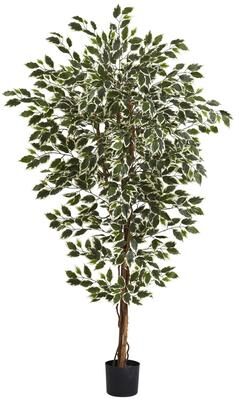

Similar search terms for Ficus
Top-Angebote
Products related to Ficus:
-
"Vickerman 24"" Variegated Triangle Ficus Potted.""Vickerman 24"" Variegated Triangle Ficus Potted. This artificial plant measures 24 inches from the bottom of the pot to the top of the foliage. It measures 10 inches from the tip of the foliage on the left side to the right."35,99 $*Shipping: 0,00 $Secure redirect to the provider
-
"Vickerman 36"" Variegated Triangle Ficus Potted.""Vickerman 36"" Variegated Triangle Ficus Potted. This artificial plant measures 36 inches from the bottom of the pot to the top of the foliage. It measures 16 inches from the tip of the foliage on the left side to the right."65,49 $*Shipping: 0,00 $Secure redirect to the provider
-
Anker Ultimate Surprise Mystery BoxMystery Box Terms and Conditions By purchasing a blind box, you agree to the following: Each mystery box includes one item or one bundle valued at or above the purchase price. Contents are assigned at random and cannot be chosen, returned, or exchanged, except for verified quality issues. Mystery boxes are sold at full price and are not eligible for promotions or discounts. Product images are for reference only; actual colours may vary. Some items may only work with specific devices, and duplicates may occur when buying multiple boxes. Items may ship separately, with delivery times varying during peak periods. Limited quantities available. The promotion ends once sold out.212,99 £*Shipping: 0,00 £Secure redirect to the provider
-
Nearly Natural 4' Variegated Ficus Artificial TreeTwo heads of light green leaves crown a series of lifelike twisted stems with this artificial 4' variegated ficus tree. With an elegant and sophisticated appearance, it's a good piece to add to your bedroom.93,21 $*Shipping: 0,00 $Secure redirect to the provider


-
What is a Ficus tree?
A Ficus tree is a type of tree belonging to the genus Ficus, which is part of the mulberry family. These trees are known for their large, glossy leaves and their ability to grow in a variety of environments, including tropical and subtropical regions. Ficus trees are often used as ornamental plants in gardens and landscapes, and some species are also grown as houseplants. They are known for their resilience and adaptability, making them a popular choice for both indoor and outdoor settings. **
-
What type of Ficus is this?
This is a Ficus lyrata, commonly known as the fiddle leaf fig. It is characterized by its large, violin-shaped leaves that have a glossy, dark green color. Ficus lyrata is a popular houseplant choice due to its striking appearance and relatively low maintenance requirements. It is native to western Africa and thrives in bright, indirect light. **
-
How to repot a Ficus Benjamina?
To repot a Ficus Benjamina, start by choosing a slightly larger pot with good drainage holes. Gently remove the plant from its current pot, being careful not to damage the roots. Loosen the roots and add fresh potting soil to the new pot, then place the plant in the center and fill in with more soil. Water the plant thoroughly and place it in a location with bright, indirect light. Allow the plant to adjust to its new pot for a few weeks before fertilizing. **
-
Does the ficus get brown spots?
Yes, ficus plants can develop brown spots on their leaves for various reasons. This could be due to overwatering, underwatering, low humidity, pests, or diseases. It is important to closely monitor the plant's care routine and environment to identify the cause of the brown spots and take appropriate action to address it. Regularly inspecting the plant for any signs of distress and adjusting its care accordingly can help prevent brown spots from developing. **
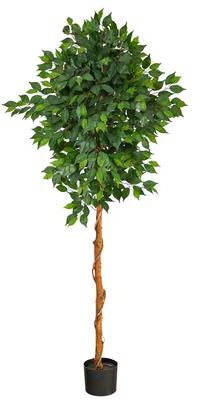

What type of ficus is this?
This is a Ficus lyrata, commonly known as a fiddle leaf fig. It is characterized by its large, violin-shaped leaves that have a glossy, dark green color. Ficus lyrata is a popular houseplant choice due to its striking appearance and relatively low maintenance requirements. It thrives in bright, indirect light and regular watering. **
What problem does my ficus have?
Based on the description provided, it seems like your ficus plant is suffering from a combination of issues. The yellowing leaves could be a sign of overwatering or root rot, while the brown spots and sticky residue may indicate a pest infestation, such as scale insects or spider mites. It is important to address these problems promptly by adjusting your watering routine, inspecting the plant for pests, and treating it with appropriate insecticidal soap or neem oil to help your ficus recover and thrive. **
Top-Angebote
Products related to Ficus:
-
"Vickerman 24"" Variegated Triangle Ficus Potted.""Vickerman 24"" Variegated Triangle Ficus Potted. This artificial plant measures 24 inches from the bottom of the pot to the top of the foliage. It measures 10 inches from the tip of the foliage on the left side to the right."35,99 $*Shipping: 0,00 $Secure redirect to the provider
-
"Vickerman 36"" Variegated Triangle Ficus Potted.""Vickerman 36"" Variegated Triangle Ficus Potted. This artificial plant measures 36 inches from the bottom of the pot to the top of the foliage. It measures 16 inches from the tip of the foliage on the left side to the right."65,49 $*Shipping: 0,00 $Secure redirect to the provider
-
Does the Ficus Ginseng move?
No, the Ficus Ginseng plant does not move. It is a stationary plant that grows in a fixed location. While it may change and grow over time, it does not have the ability to physically move from one place to another. **
-
Is the Ficus benjamina dead?
Without more information or context, it is difficult to determine if the Ficus benjamina is dead. Signs of a dead Ficus benjamina may include brittle, dry leaves, lack of new growth, and a trunk that is soft or hollow. It is recommended to check the plant for these signs and assess its overall health before concluding if it is dead or not. **
-
What is a Ficus tree?
A Ficus tree is a type of tree belonging to the genus Ficus, which is part of the mulberry family. These trees are known for their large, glossy leaves and their ability to grow in a variety of environments, including tropical and subtropical regions. Ficus trees are often used as ornamental plants in gardens and landscapes, and some species are also grown as houseplants. They are known for their resilience and adaptability, making them a popular choice for both indoor and outdoor settings. **
-
What type of Ficus is this?
This is a Ficus lyrata, commonly known as the fiddle leaf fig. It is characterized by its large, violin-shaped leaves that have a glossy, dark green color. Ficus lyrata is a popular houseplant choice due to its striking appearance and relatively low maintenance requirements. It is native to western Africa and thrives in bright, indirect light. **
Similar search terms for Ficus
-
Anker Ultimate Surprise Mystery BoxMystery Box Terms and Conditions By purchasing a blind box, you agree to the following: Each mystery box includes one item or one bundle valued at or above the purchase price. Contents are assigned at random and cannot be chosen, returned, or exchanged, except for verified quality issues. Mystery boxes are sold at full price and are not eligible for promotions or discounts. Product images are for reference only; actual colours may vary. Some items may only work with specific devices, and duplicates may occur when buying multiple boxes. Items may ship separately, with delivery times varying during peak periods. Limited quantities available. The promotion ends once sold out.212,99 £*Shipping: 0,00 £Secure redirect to the provider
-
Nearly Natural 4' Variegated Ficus Artificial TreeTwo heads of light green leaves crown a series of lifelike twisted stems with this artificial 4' variegated ficus tree. With an elegant and sophisticated appearance, it's a good piece to add to your bedroom.93,21 $*Shipping: 0,00 $Secure redirect to the provider
-
How to repot a Ficus Benjamina?
To repot a Ficus Benjamina, start by choosing a slightly larger pot with good drainage holes. Gently remove the plant from its current pot, being careful not to damage the roots. Loosen the roots and add fresh potting soil to the new pot, then place the plant in the center and fill in with more soil. Water the plant thoroughly and place it in a location with bright, indirect light. Allow the plant to adjust to its new pot for a few weeks before fertilizing. **
-
Does the ficus get brown spots?
Yes, ficus plants can develop brown spots on their leaves for various reasons. This could be due to overwatering, underwatering, low humidity, pests, or diseases. It is important to closely monitor the plant's care routine and environment to identify the cause of the brown spots and take appropriate action to address it. Regularly inspecting the plant for any signs of distress and adjusting its care accordingly can help prevent brown spots from developing. **
-
What type of ficus is this?
This is a Ficus lyrata, commonly known as a fiddle leaf fig. It is characterized by its large, violin-shaped leaves that have a glossy, dark green color. Ficus lyrata is a popular houseplant choice due to its striking appearance and relatively low maintenance requirements. It thrives in bright, indirect light and regular watering. **
-
What problem does my ficus have?
Based on the description provided, it seems like your ficus plant is suffering from a combination of issues. The yellowing leaves could be a sign of overwatering or root rot, while the brown spots and sticky residue may indicate a pest infestation, such as scale insects or spider mites. It is important to address these problems promptly by adjusting your watering routine, inspecting the plant for pests, and treating it with appropriate insecticidal soap or neem oil to help your ficus recover and thrive. **
* All prices are inclusive of VAT and, if applicable, plus shipping costs. The offer information is based on the details provided by the respective shop and is updated through automated processes. Real-time updates do not occur, so deviations can occur in individual cases. ** Note: Parts of this content were created by AI.